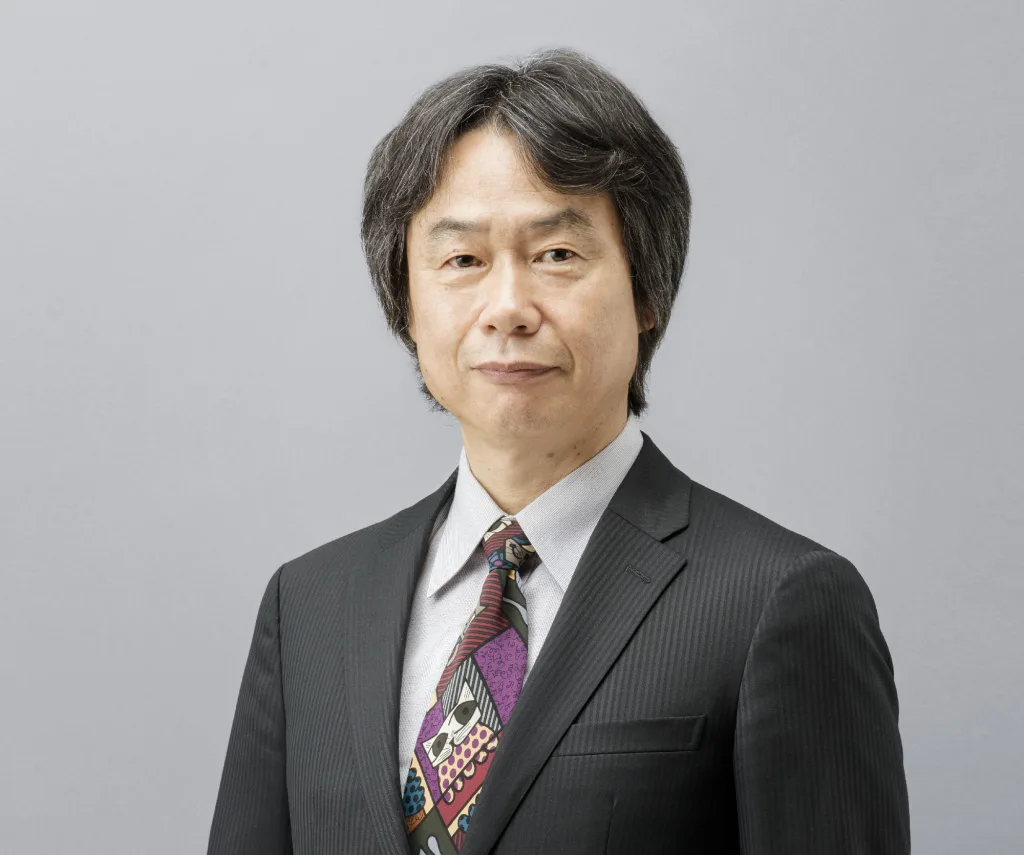

The Japanese government has named Shigeru Miyamoto, the Nintendo designer behind Super Mario, The Legend of Zelda and Pikmin, among this year’s eight recipients of the Order of Culture, making him the first person from the video game field to be selected. The list was announced on 23 October 2026, according to NHK and Inside, and the order is presented on Culture Day, 3 November, at the Imperial Palace in Tokyo.
Alongside architects, composers and a Nobel chemist
The Order of Culture is among Japan’s highest state honours for contributions to arts, letters and science. This year’s recipients include architect Toyo Ito, composer Shunichi Tokura, lighting designer Motoko Ishii and this year’s Nobel chemistry laureate, according to NHK and Inside. Recipients are normally chosen from people already named Persons of Cultural Merit. Miyamoto received that title in 2019, in the media arts category for games, Denfaminicogamer reported at the time. The Order of Culture now puts a game designer in the country’s top cultural honour.
Miyamoto on teamwork, interfaces and generative AI
Before the announcement, Miyamoto took questions for about an hour at Nintendo’s Kyoto headquarters on 22 October, 4Gamer reports. According to Denfaminicogamer, Miyamoto, who joined Nintendo in 1977 and is now a Representative Director and Fellow, said he felt embarrassed and very honoured. He stressed that games are not made by one author but by many people working together, and that he accepts the award as their representative.
Asked what it means that games are now recognised as culture, he answered that it probably means games have become something ordinary in daily life. He also said that nobody takes interface design as seriously as the game industry does.
His most pointed remarks concerned generative AI. According to 4Gamer, Miyamoto said the scariest thing is being satisfied with the work itself and thinking “something good has been made”. He argued that AI will push everyone to think seriously about what it really means to make something, and what intention an individual brings to a design. His advice to young developers was similar: he tells them to stop taking an existing fun game and asking how to modify it to make it more fun.
Quotations are GameTales translations of Japanese reporting from the 22 October press conference.