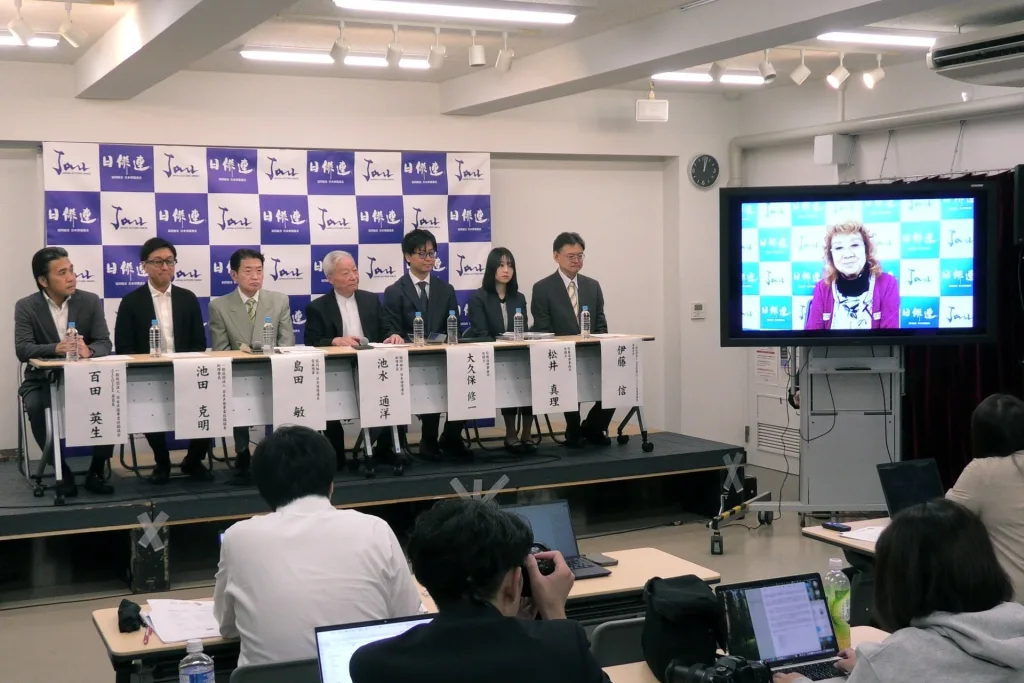
The Japan Actors Union (Nippairen), a cooperative of about 2,600 actors and voice actors, published guidelines on using generative AI for voice on 15 October 2026 and presented them at a press conference. Under them, a performer’s prior permission is needed to train on, generate and use a voice, AI use is paid like a performance, and AI dubbing into another language needs new consent, according to the union’s press release on PR TIMES and its official guideline page. GamesIndustry.biz reported the guidelines for English-speaking developers on 20 October.
The guidelines are a voluntary standard. The union says Japan has no law that comprehensively protects a person’s voice, and it wants to protect performers while giving production companies and AI developers a clear basis for doing business safely. For games, the reach runs from RPG casts to gacha characters that speak through years of live updates.
The four main rules
- Permission first, at every stage. The performer’s prior permission, with the purpose stated, is required for training (input), for generating audio and for publishing or using it (output) (Part 3, Articles 7–9).
- AI use is paid like a performance. Using an AI-generated voice is treated as equivalent to the performer “providing a performance”, so appropriate pay is due. The union also mentions usage-based payment such as royalties (Part 5, Article 16).
- AI dubbing needs new consent. If a performance in the original language is turned by AI into an English, Chinese or Spanish dub, the guidelines call for a new permission and additional payment (Part 4, Article 15).
- The voices of the dead. Recreating a deceased performer’s voice with AI requires the strict permission of the heirs or whoever manages the rights, and respect for the performer’s wishes (Part 2, Article 6).
Details from the press conference
Reports on the press conference add details from the full text. ITmedia AI+ reports that blanket consent is not accepted and that a permission is valid for one year at most in principle. AI pay comes on top of the normal appearance fee. Companies are expected to encrypt voice data and keep logs of use and transfers to third parties, and human casting is the default. ITmedia also quotes the union’s vice-chair, voice actor Michihiro Ikemizu, answering complaints from the audio industry that the procedures are strict: “it was too easy until now”. AI Watch confirms the four main rules and the article numbers.
What changes for live games and localisation
The guidelines do not single out games and have no legal force, but three parts bear directly on game production.
- Long-running games. Live-service titles need new lines for years. Under these rules, a studio that wants AI-generated lines for a character would need a specific, time-limited permission and a separate payment, not a clause signed once at the first recording.
- Localisation. AI tools that keep the original actor’s voice in another language are exactly the case covered by Article 15. Studios and publishers planning AI dubs of Japanese performances should expect to negotiate again.
- Training data and records. The requirements to state the purpose, keep logs and protect voice data are as much a pipeline question as a legal one. Tools and vendors will have to show where a voice model came from.
The union says it will work to make the guidelines the industry norm and press the government for legislation on voice rights. For teams casting Japanese voice actors, the practical step now is to read the full text before the next recording contract, not after it.