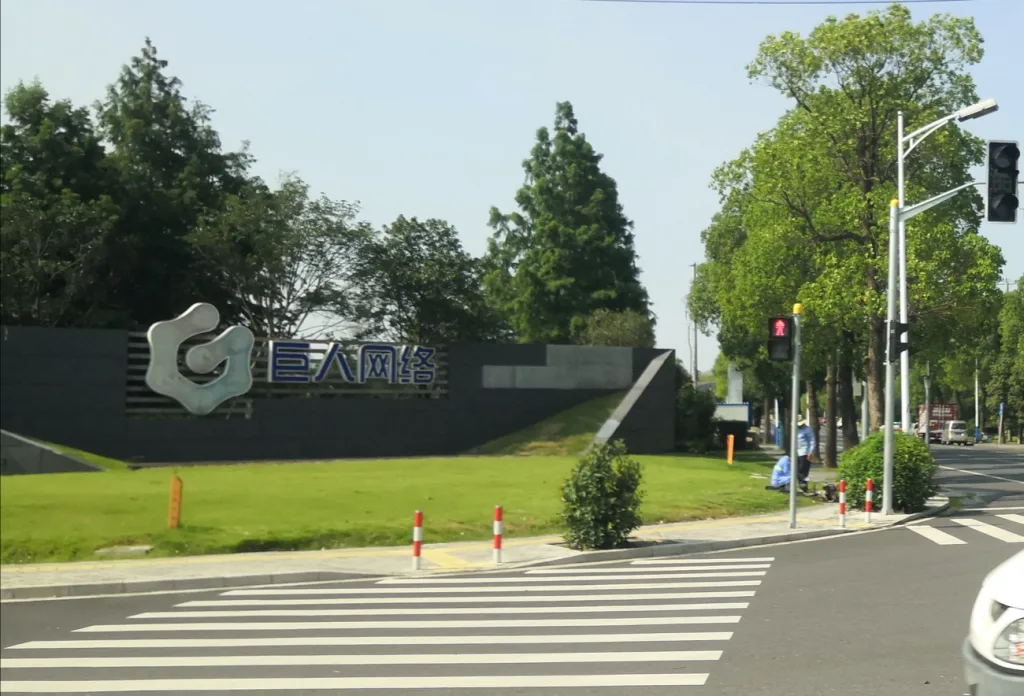

Shanghai publisher Giant Network (巨人网络) has wound up its AI Lab as a separate unit and moved the lab’s teams and technology into the company’s central technology platform, the company told Chinese media on 16 November. Giant said it had “adjusted the organisational structure of the AI Lab” and integrated the related teams and capabilities into its technology middle platform, the shared engineering division that serves its game projects, The Paper reported. The stated aim is to tie AI more closely to game business. Neither report names departures or says whether the lab’s own model work continues.
The company described where it already uses AI at scale, according to a report on 21jingji.com: development teams are rebuilding workflows starting from the underlying toolchain; the publishing side mass-produces advertising creatives for user acquisition and is testing AI-made comic dramas as an ad format; and large models are now built into its security monitoring for anti-fraud and anti-cheat detection. Giant said it will keep increasing AI spending. It has invested in the image platform LiblibAI, the video-generation company Aishi Technology (爱诗科技), the compute provider SiliconFlow and 3D-generation company VAST, among others. The industry site Youxituoluo read the move as AI becoming “a real content production line” rather than a lab project.
The lab had been one of the more visible in-house AI efforts at a Chinese game company. Its head, Ding Chaofan, presented two models at Alibaba’s Yunqi Conference in September 2024, Huanqiu Tech reported: GiantGPT, a role-play model that was among the first game-industry models to complete China’s generative-AI filing and that drives companion characters with long-term memory in Giant’s MMORPG ZT Online (征途); and BaiLing-TTS, a speech model trained on more than 200,000 hours of Mandarin and 20 dialects. In an interview with National Business Daily the same month, Ding said the company’s AI painting platform had also been incubated inside the lab.