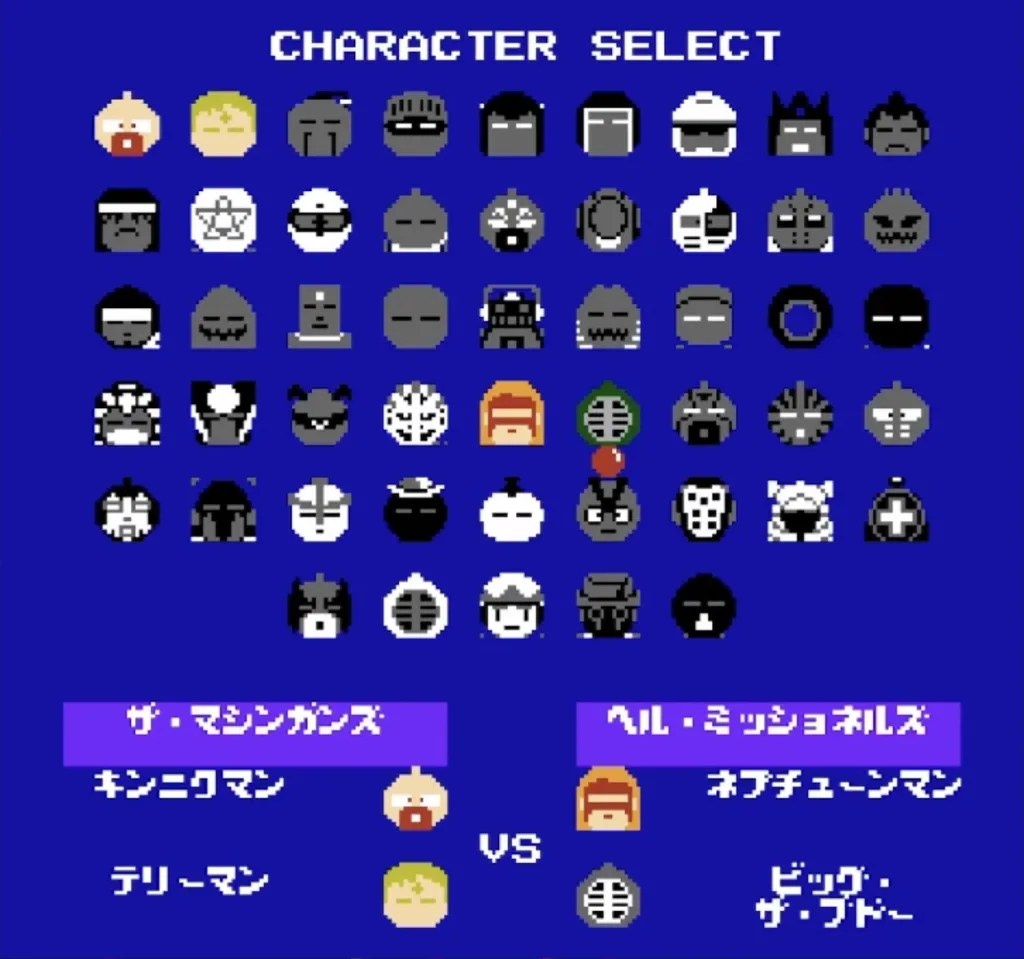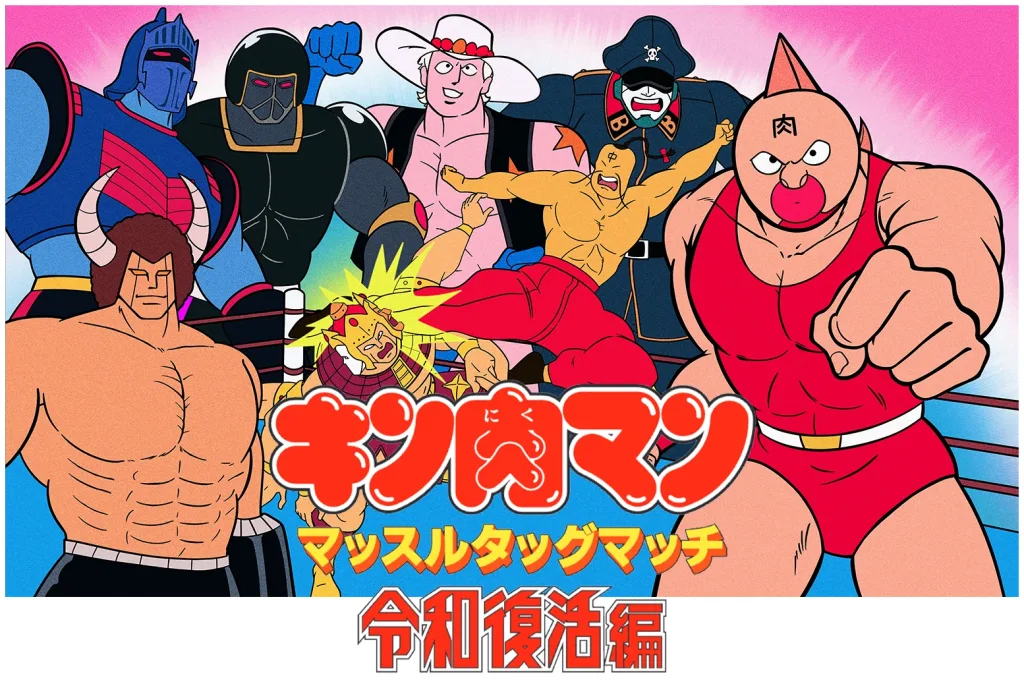
Bandai Namco Entertainment had to rebuild its 1985 Famicom wrestling game Kinnikuman Muscle Tag Match from scratch for smartphones because the original data had not been kept, producer Shinya Katayama told 4Gamer in an interview published on 18 November. The remake, Kinnikuman Muscle Tag Match: Reiwa Revival (キン肉マン マッスルタッグマッチ 令和復活編), went on sale on 9 November for iOS and Android at 1,000 yen as a one-time purchase, and expands the roster from eight wrestlers to 50.
Katayama put the whole cycle, from the announcement through a fan vote to release, at about a month. Pre-registration opened on 1 October together with a popularity poll, the Kinnikuman Chojin Election 2026, which closed on 12 October, Denfaminicogamer reported. The official site says the wrestlers ranked 1 to 20, 29th and 50th made the game, and Dengeki Online lists the rest as picks by the manga’s creators Yudetamago and by voice actors Hiroki Yasumoto (Buffaloman) and Toru Inada (Sunshine). Katayama said the team had prepared extra wrestlers and special moves in advance in case an unexpected character surged in the poll.
Three colours per wrestler, borrowed animation frames
Development went to an outside studio, which Katayama did not name; he said it helped that some of its staff had grown up with the original. The new wrestlers keep the Famicom game’s limits: only three colours are available per character, which made colourful wrestlers hard to draw, and all-white characters tended to disappear against the white ring.
To keep the number of new animations down, the team reused the original’s motion system. Only the attacker gets a newly drawn pose; the wrestler on the receiving end reuses generic frames. Katayama’s example is the Kinniku Driver: the victim is the standard victory jump, arms and legs spread, turned upside down, with a newly drawn Kinnikuman placed on top and dropped. Special moves that cannot be assembled this way are still drawn from scratch.
Why the touch controls imitate a Famicom d-pad
The first prototype recreated the original eight wrestlers with an analogue virtual stick, which Katayama said did not feel like the Famicom. The team switched to a virtual d-pad and made the phone vibrate slightly on each button press. Balance started from a tier table of the original, which he considers well balanced: projectile moves among the new specials were toned down and awkward ones strengthened. “Reiwa Revival is not esports,” he said, so players should enjoy the imbalances as part of the game.
Two-player matches run over Bluetooth only, with the app installed on both phones. Lag and dropped connections appeared during testing, and the team used the rewind function built for single-player to reconcile the two devices when lag occurs. Katayama said online play was left out mainly because not seeing the opponent’s face would make the game less fun. No further wrestlers are planned for now, though he said every chojin could in principle be recreated in the game.
The 1985 original was developed by Tose and published by Bandai; it sold 1.05 million copies in Japan and reached North America in October 1986 as Tag Team Match: M.U.S.C.L.E., tied to Mattel’s toy line, according to Wikipedia. The remake’s App Store listing supports Japanese only, and none of the announcements we checked mention an English version. When we checked on 18 November, it ranked first among paid action apps on the Japanese App Store.